MITRA Samaj is pleased to share insights from our recent study on Nepal’s Health Insurance , a government-led initiative designed to improve access to quality healthcare and reduce the financial burden of medical expenses on households. Launched in 2016 under the Social Health Security Program, the scheme now reaches all 77 districts, with over 10 million individuals enrolled. While the program has made substantial progress, our findings reveal critical gaps that require attention to ensure equitable and effective healthcare coverage.
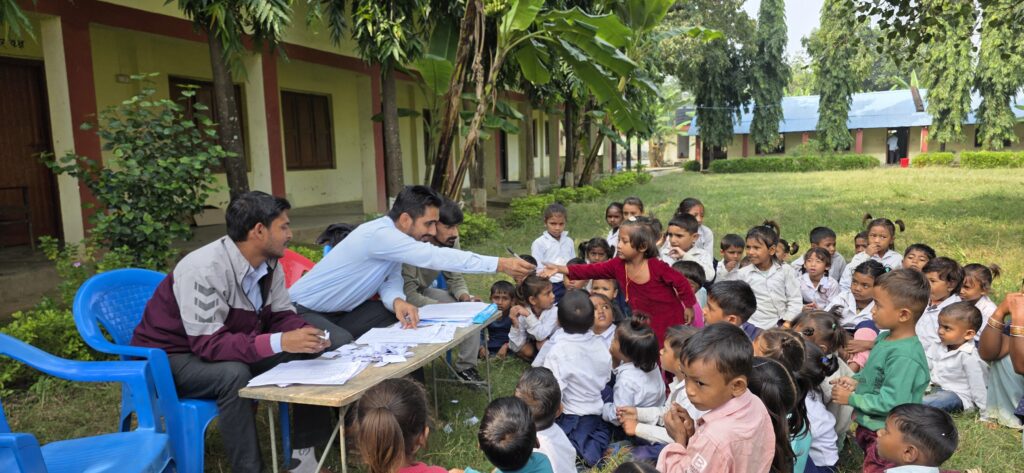
Our survey of 510 households across multiple districts found that awareness of health insurance remains limited, with only one-third of respondents familiar with the concept. Most of those aware learned about the scheme through family, friends, and health workers, underscoring the importance of community-based advocacy and information dissemination. A Female Community Health Volunteer (FCHV) from Banke noted, “Awareness of health insurance is moderate in the community; however, actual enrollment remains low with only about one-third of households participating.”
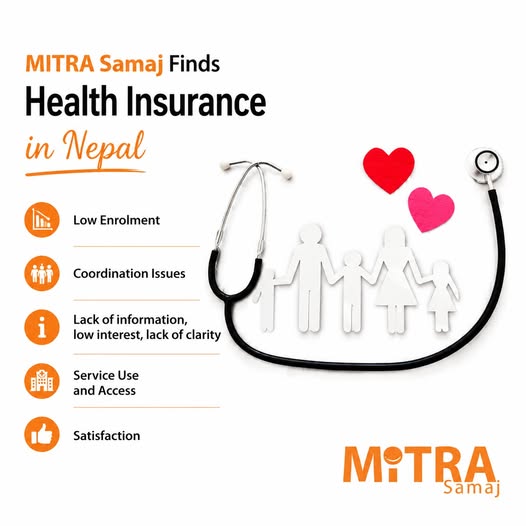
Enrollment rates are similarly constrained. Among households aware of the scheme, fewer than 30% reported ever having health insurance, and among those, only 60% had active coverage for all family members. Barriers include high premiums, limited access to service-providing institutions, poor communication from authorities, and perceived inefficiencies in service delivery. In some areas, insured patients reported delays or differential treatment compared to those paying out-of-pocket.
Our study also highlights how utilization and satisfaction diverge. While only a third of households used insurance-covered services in the past year, satisfaction among users was high, with over 90% expressing contentment with the services received. Medicines, pharmacy services, outpatient consultations, and chronic disease management were the most frequently accessed benefits. However, nearly half of users experienced difficulty accessing facilities that accept insurance, indicating ongoing challenges in accessibility.
Financial aspects also present a mixed picture. Out-of-pocket expenditure remains high: across all surveyed households, only 7% of health expenses were covered by insurance. For insured households that accessed services, insurance covered 62% of costs, showing the potential of the program to reduce financial burden when utilized effectively. Nevertheless, confusion regarding premiums, copayments, and renewal processes continues to hinder participation, especially among vulnerable populations.
Respondents suggested practical improvements, including expanding the number of facilities that accept insurance, increasing coverage limits, incorporating a wider range of services, improving claim processing speed, simplifying registration, and providing clearer information about benefits. The Deputy Chairperson of Bijaynagar Rural Municipality emphasized, “Even though the scheme is inclusive in its design, it lacks targeted strategies for the ultra-poor and persons with disabilities. Expanding awareness and simplifying the renewal process are essential steps to improve participation.”
On behalf of MITRA Samaj, we recognize that these findings highlight both the potential and the limitations of Nepal’s Health Insurance Program. While satisfaction among users is generally high, significant gaps in awareness, accessibility, and equity persist. Strengthening outreach, enhancing local government involvement, integrating digital tools for streamlined claims, and focusing on vulnerable populations will be key to realizing the program’s goal of universal health coverage and financial protection for all.
“Strengthening awareness, improving accessibility, and ensuring timely service delivery are essential to make health insurance a truly inclusive and effective tool for all Nepali households.”
MITRA Samaj remains committed to supporting evidence-driven policy improvements and advocating for equitable access to healthcare, ensuring that the benefits of health insurance are accessible to every citizen across Nepal.