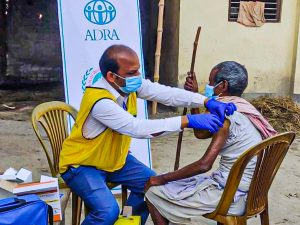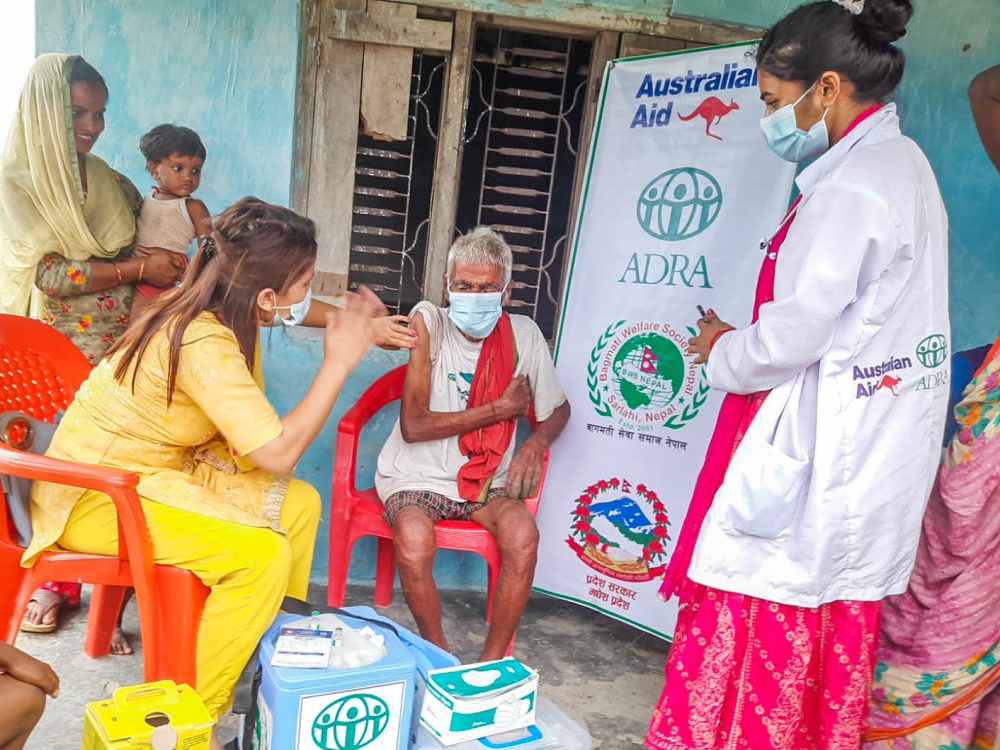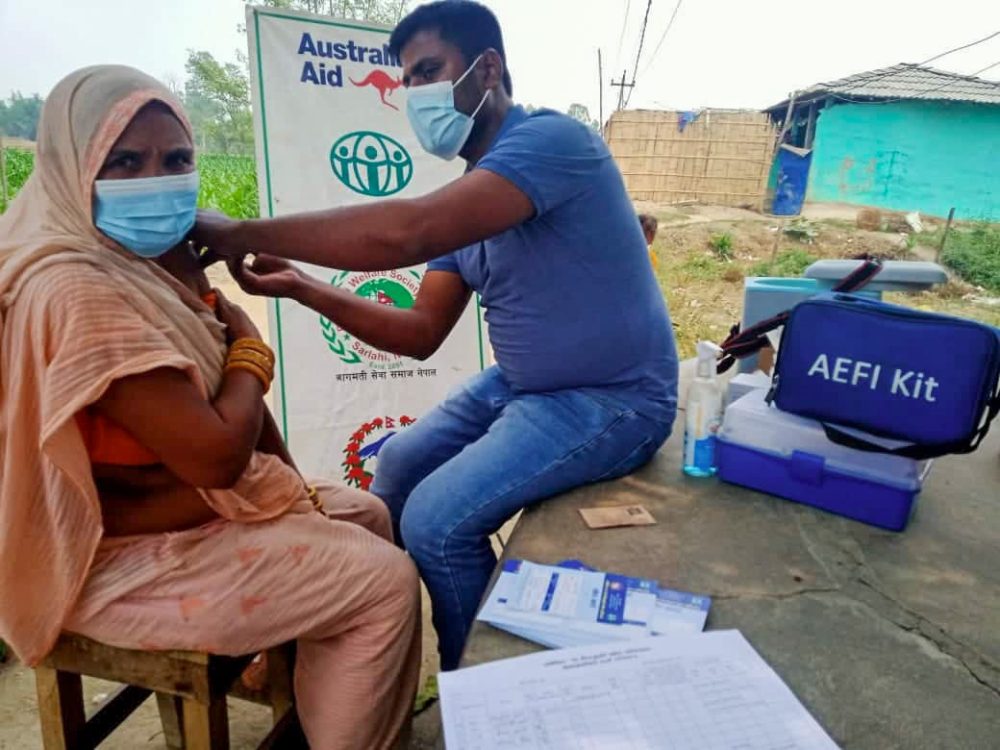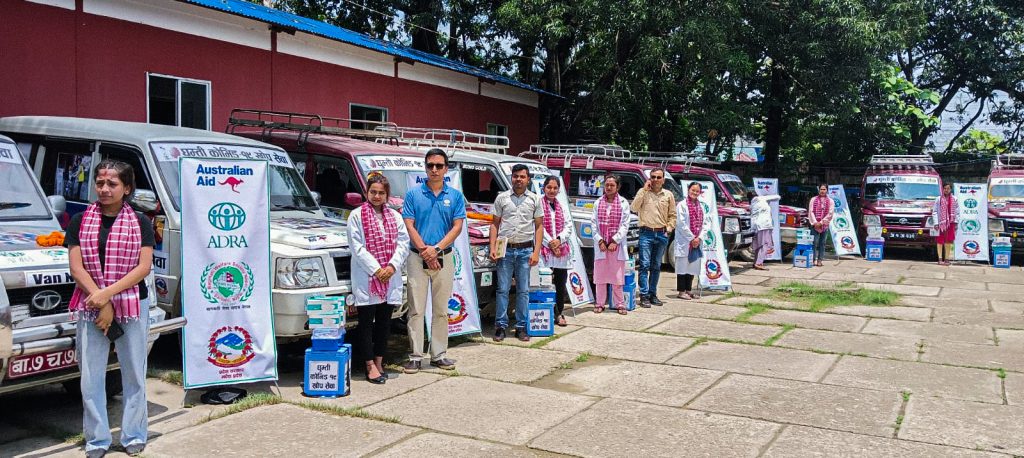
In a country like Nepal, with its challenging geography and remote communities, ensuring that every citizen has access to vital services like healthcare can be a daunting task. When the COVID-19 pandemic struck, the Government of Nepal (GoN) faced an additional challenge: reaching the most vulnerable populations with life-saving vaccines. Enter the Mobile COVID-19 Vaccination Services (MoCoVs), an innovative intervention launched by ADRA Nepal, in collaboration with the GoN, to ensure that even the hardest-to-reach populations received their vaccinations. This initiative not only provided vaccines but also served as a critical solution in addressing the barriers faced by vulnerable groups such as pregnant women, the elderly, and individuals with disabilities.
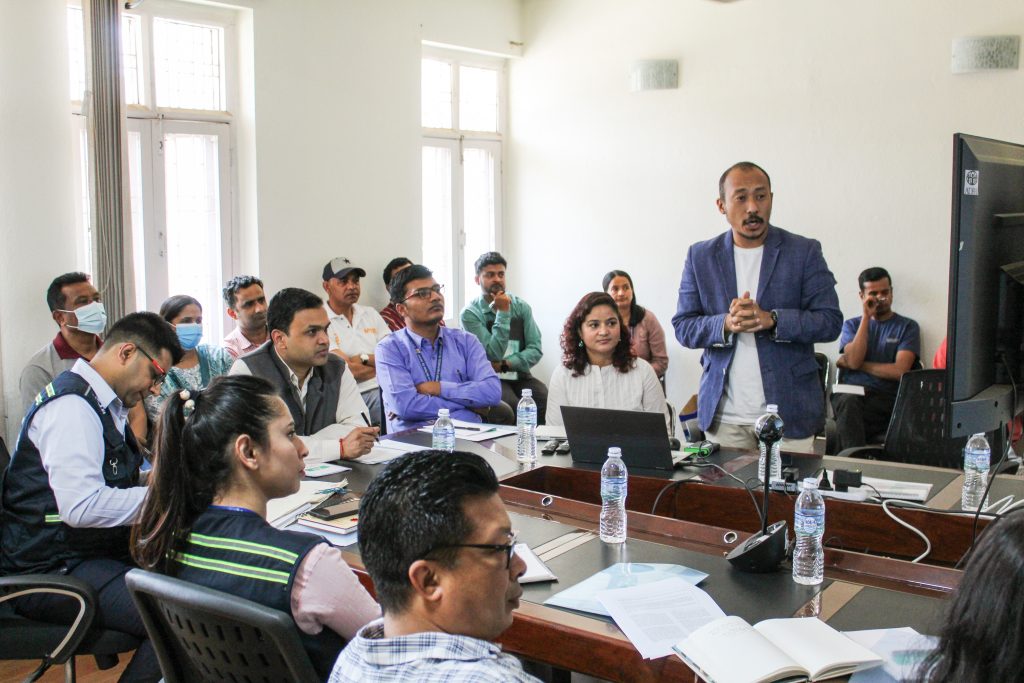
The evaluation of this project was conducted by MITRA Samaj, and the findings presented here are based on their comprehensive assessment. Let’s explore how this pioneering approach made a difference in Nepal’s fight against COVID-19 and what we can learn from it.
The Challenge: Reaching the Vulnerable
While Nepal made significant progress in vaccinating its population, the remote and geographically challenging districts still faced issues in vaccinating vulnerable groups. Many of the key populations, such as pregnant and lactating women, the elderly, and people with disabilities, found it difficult or even impossible to travel to vaccination centers due to distance, physical challenges, and the crowded conditions at the centers.
The MoCoVs Solution: Bringing Vaccines to the Doorstep
In response to these challenges, ADRA Nepal launched the MoCoVs program, which provided a door-to-door COVID-19 vaccination service. This initiative was implemented in several districts, including Sarlahi, Rautahat, Dhanusha, and Mahottari, and later extended to Saptari, Siraha, Bara, and Parsa.
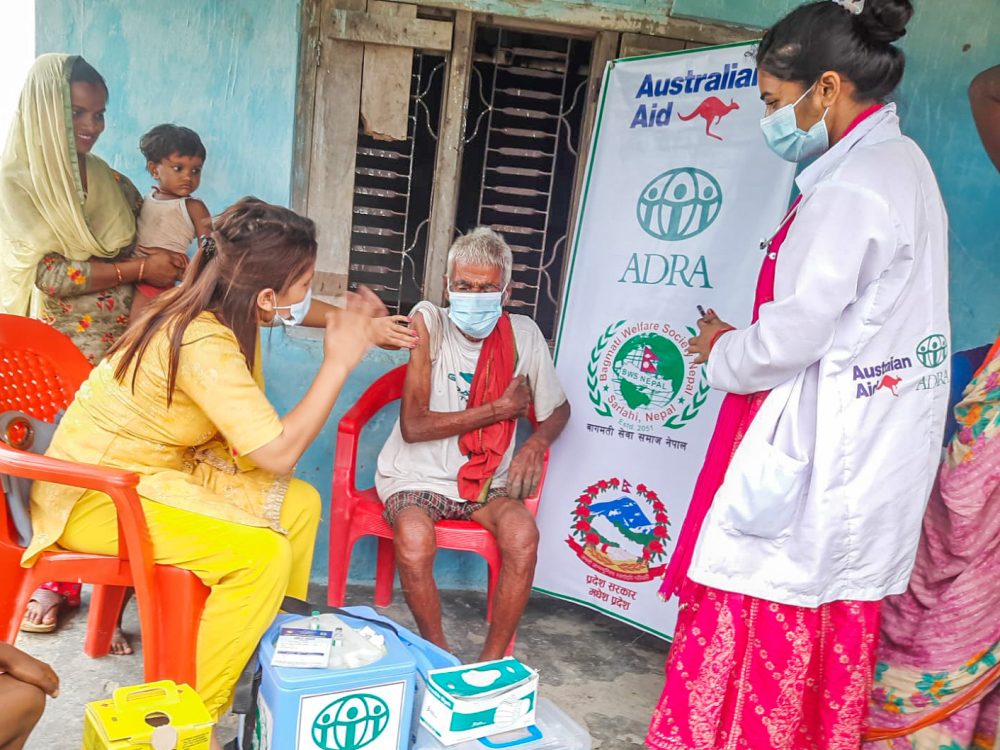
The MoCoVs program targeted populations that were often left behind in regular vaccination efforts, ensuring that those who faced the most difficulty in accessing vaccination sites were not left out. Vulnerable groups like pregnant and lactating women, people with disabilities, and elderly individuals were prioritized, and the mobile vans, equipped with vaccines and necessary medical supplies, traveled from household to household, ensuring that these populations received their jabs in the comfort and safety of their own homes.
A Deep Dive: Findings and Impact
1. Increased Coverage
Before the MoCoVs intervention, areas like Siraha district (in the control arm) had lower vaccine coverage, particularly among vulnerable populations. However, in the experimental districts, vaccine coverage saw a significant increase, especially among the hardest-to-reach groups. The ability to vaccinate people at their homes helped bridge the gap for those unable to travel to vaccination centers.
2. Overcoming Travel Barriers
For many vulnerable groups, traveling to vaccination centers was not just difficult; it was nearly impossible. Pregnant women, people with disabilities, and the elderly were often left out of the vaccination campaign because they couldn’t make the long, tiring journey to the centers. By bringing the vaccines directly to them, MoCoVs eliminated this barrier.
3. Addressing Vaccine Hesitancy
In many communities, there were fears and misconceptions about the COVID-19 vaccine’s safety and efficacy. The MoCoVs teams played a key role in addressing these fears. Through orientation and counseling sessions before administering the vaccine, health workers built trust within communities, dispelling myths and encouraging people to get vaccinated.
4. Effective Measures for Greater Outreach
One of the most effective strategies for reaching vulnerable populations was the door-to-door service. In addition, providing pick-up and drop-off services for the elderly and people with disabilities, increasing the cold chain capacity, and having dedicated personnel to manage the vaccination process were all crucial to the success of the program.
5. Challenges Faced by MoCoVs Teams
Despite the program’s success, there were some notable challenges:
- Lack of baseline surveys to identify unvaccinated populations made it difficult to target the right individuals.
- People who were able to visit vaccination centers also requested vaccination at their doorsteps, which increased the burden on the MoCoVs team.
- Logistical difficulties, such as the challenging topography and lack of identification cards for some individuals, further complicated the program’s implementation.
- Misconceptions about the vaccine’s efficacy persisted, requiring extensive time and effort from health workers to provide reassurance and education.
Lessons Learned from MoCoVs
The MoCoVs initiative has provided a wealth of insights into how mobile vaccination can be an effective solution in delivering health services to vulnerable populations. Some of the key lessons learned include:
- Collaboration is Key: The partnership between the government and external development agencies like ADRA was crucial. The government cannot tackle such large-scale challenges alone, and collaboration with international partners is essential.
- Regular Surveys and Information: Conducting rapid surveys to identify unvaccinated individuals, along with informing communities about upcoming vaccination efforts, can significantly improve outreach.
- Better Logistics: Ensuring that health workers are well-equipped with the necessary tools and resources, such as cold chain boxes and vaccine supplies, is critical for successful implementation.
- More Human Resources: To sustain such initiatives, more human resources beyond just vaccinators and nurses are needed, including community mobilizers who can build trust and encourage participation.
The Future of MoCoVs: Replicating the Model
Given the success of MoCoVs in these selected districts, there is a clear opportunity to replicate this model in other areas, particularly in non-program districts. However, topographical challenges, vaccine hesitancy, and logistical issues such as road conditions during the rainy season remain obstacles.
To overcome these, the government and development partners will need to:
- Equip local agencies with the necessary tools and materials.
- Increase awareness in communities.
- Adopt evidence-based approaches to ensure effective vaccine delivery.
Recommendations for Scaling MoCoVs
- Extend MoCoVs to non-program areas to vaccinate the unvaccinated populations, especially those still missing out on the booster doses.
- Conduct rapid surveys in new areas to identify unvaccinated populations and tailor services to meet their needs.
- Improve vaccine storage and cold chain infrastructure to ensure smooth distribution in remote areas.
- Engage in continuous awareness campaigns to tackle vaccine hesitancy and build trust in the vaccination process.
Conclusion: A Model for the Future
The Mobile COVID-19 Vaccination Services (MoCoVs) have proven to be an effective solution for vaccinating Nepal’s most vulnerable populations. While there are challenges, the MoCoVs model has demonstrated that with the right resources, planning, and community collaboration, even the most difficult-to-reach populations can be successfully vaccinated.
By continuing to build on these lessons and expanding the model to other regions, Nepal can move closer to its goal of achieving universal vaccination coverage, protecting not just the urban population but also the most vulnerable communities in the most remote corners of the country.