MITRA Samaj, in partnership with Standard Chartered Bank Nepal, successfully implemented the Futuremakers: Empowering Youth through Vision Care in Nepal project from June to November 2025. Covering six provinces—Koshi, Madhesh, Gandaki, Lumbini, Karnali, and Sudurpaschim—the initiative reached underserved communities to address the often-overlooked barrier to learning and well-being: untreated vision problems among school-age children.
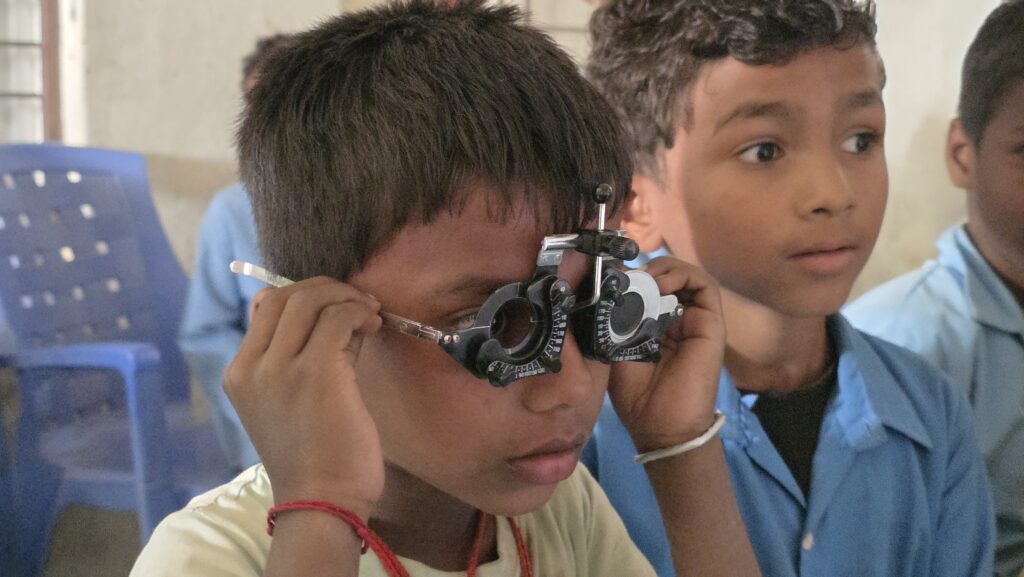
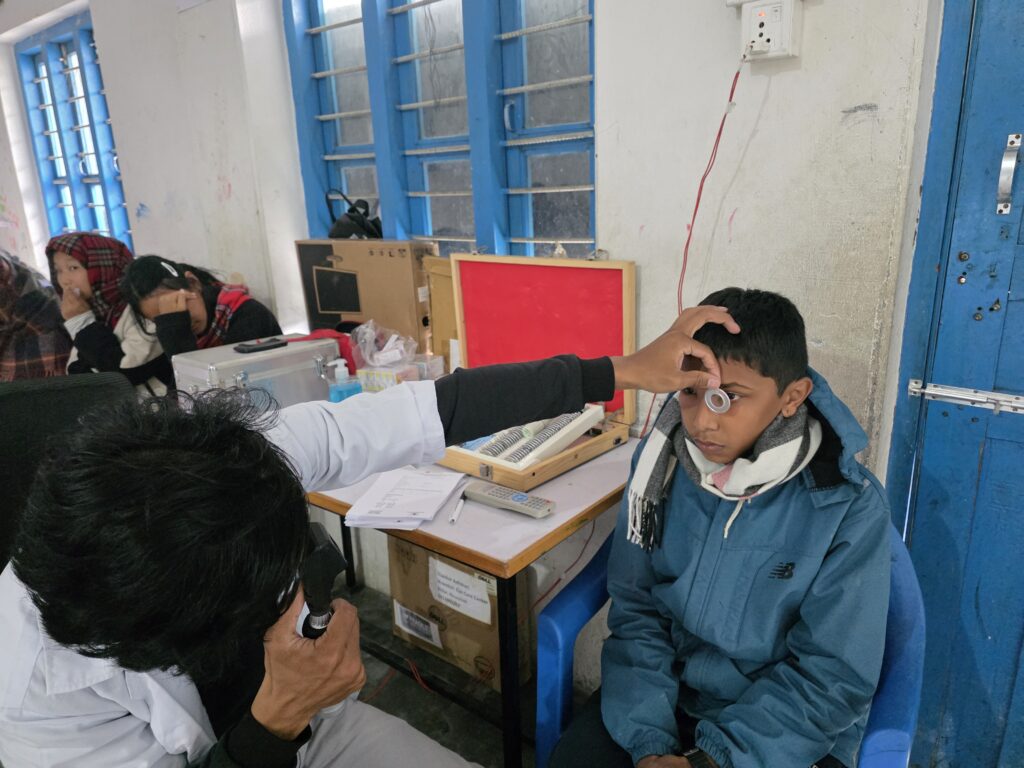
The project adopted a structured, school-based approach. Activities included planning and coordination, community engagement, awareness raising, school eye screening camps, diagnosis of refractive errors, distribution of reading and customized corrective glasses, referral for complicated cases, and follow-up documentation. By using schools as a central platform, MITRA Samaj effectively reached children while involving teachers, parents, and community members in the process.
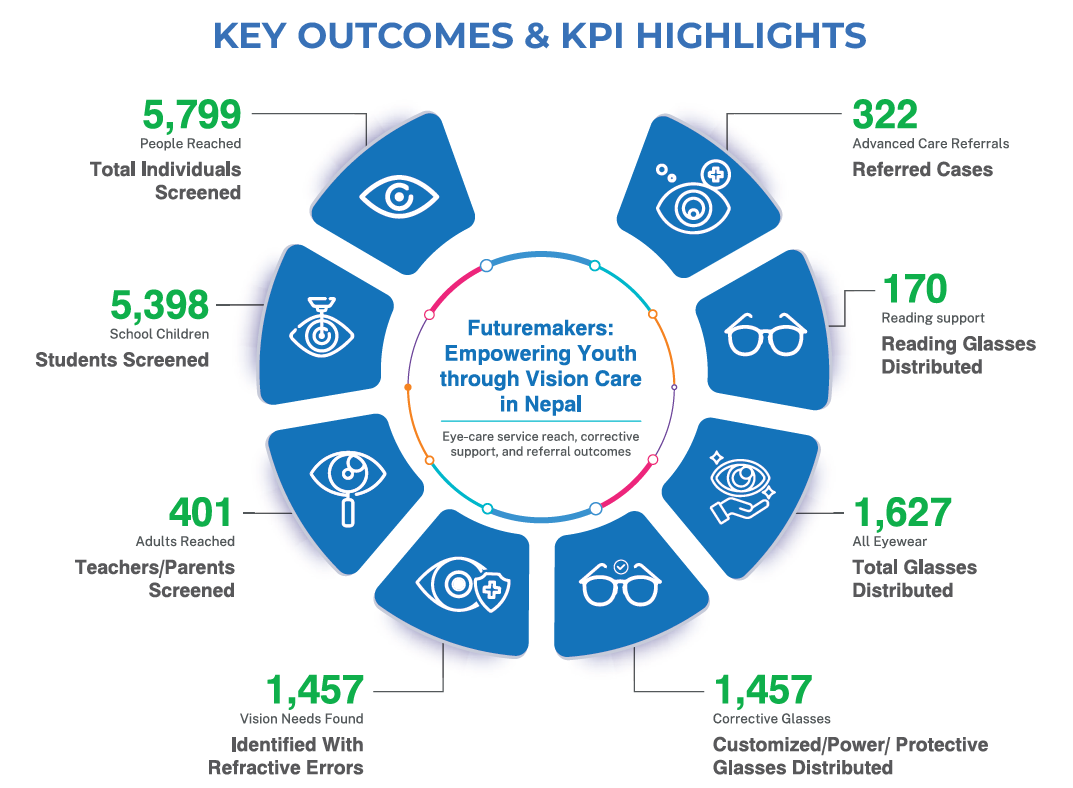
The results were impressive. A total of 5,799 individuals were screened—5,398 students and 401 teachers or parents—exceeding the target by 949 screenings. Sudurpaschim Province recorded the highest coverage (1,098), followed by Madhesh (990) and Karnali (979), reflecting both the high unmet need for vision care and the effectiveness of the outreach model.
The screenings identified 1,457 individuals with refractive errors who required corrective support, alongside 170 participants in need of reading glasses and minor eye medications. Customized glasses were provided during follow-up visits to ensure beneficiaries received accurate and appropriate corrective lenses. Additionally, 322 cases requiring further diagnosis or advanced treatment were successfully referred to nearby health facilities and eye hospitals, ensuring continuity of care beyond initial screening.
“By helping children see clearly, we are not only improving their vision but also empowering them to participate fully in learning and life.”
The project exceeded distribution targets for glasses, reaching 1,457 power/protective glasses and 170 reading glasses—almost 10% above the combined goal. Provincial performance was particularly strong in Gandaki, Koshi, and Lumbini, demonstrating effective planning and implementation across geographically diverse and often hard-to-reach areas.
Beyond direct health benefits, the initiative contributed to broader development outcomes. Improved vision allowed children to engage more confidently in classrooms, enhancing reading ability, participation, and overall learning conditions. By targeting students in remote and low-income communities, the project promoted equitable access to health services and aligned with key development priorities, including SDG 3 (Good Health and Well-being), SDG 4 (Quality Education), SDG 5 (Gender Equality), and SDG 8 (Decent Work and Economic Growth).
In conclusion, the Futuremakers project demonstrates that school-based vision care is practical, inclusive, and highly impactful. MITRA Samaj’s successful implementation highlights that investments in eye health for children not only improve individual well-being but also strengthen educational outcomes and community development across Nepal.