Nepal is blessed with some of the world’s most diverse and biodiverse ecosystems, stretching from the towering snow-capped peaks of the Himalayas to the lush plains of the Terai. But, like many parts of the world, these ecosystems are under threat from environmental degradation, illegal wildlife trade, unregulated mining, and the growing impacts of climate change. In response, USAID’s Biodiversity (Jal Jangal) project, implemented by MITRA Samaj, has worked relentlessly to improve environmental awareness and engage local media in advocating for nature conservation.
Let’s dive into the achievements, lessons learned, challenges, opportunities, and recommendations that have emerged from this impactful initiative, which aimed to amplify community voices and strengthen environmental journalism in Nepal.
Achievements: Empowering Journalists for Environmental Advocacy
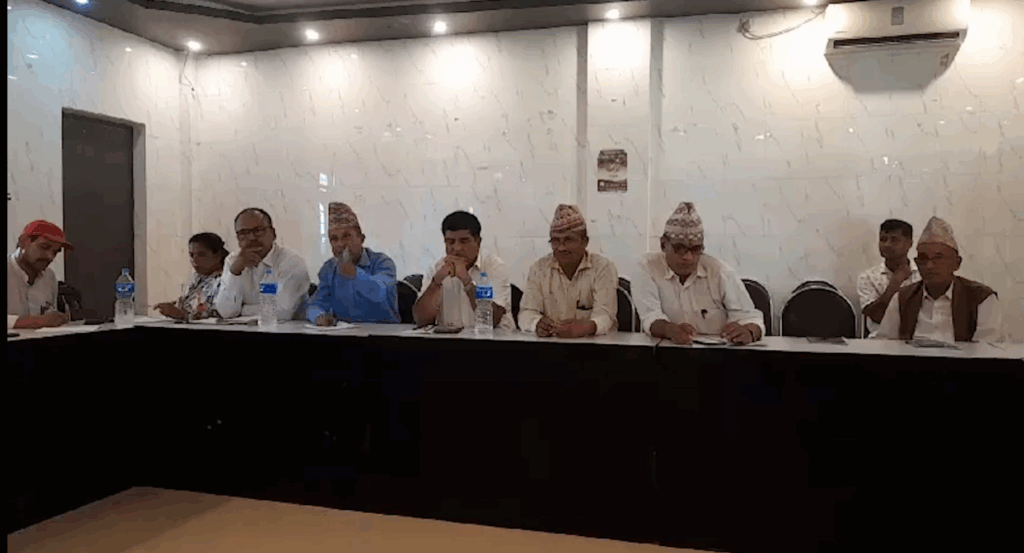
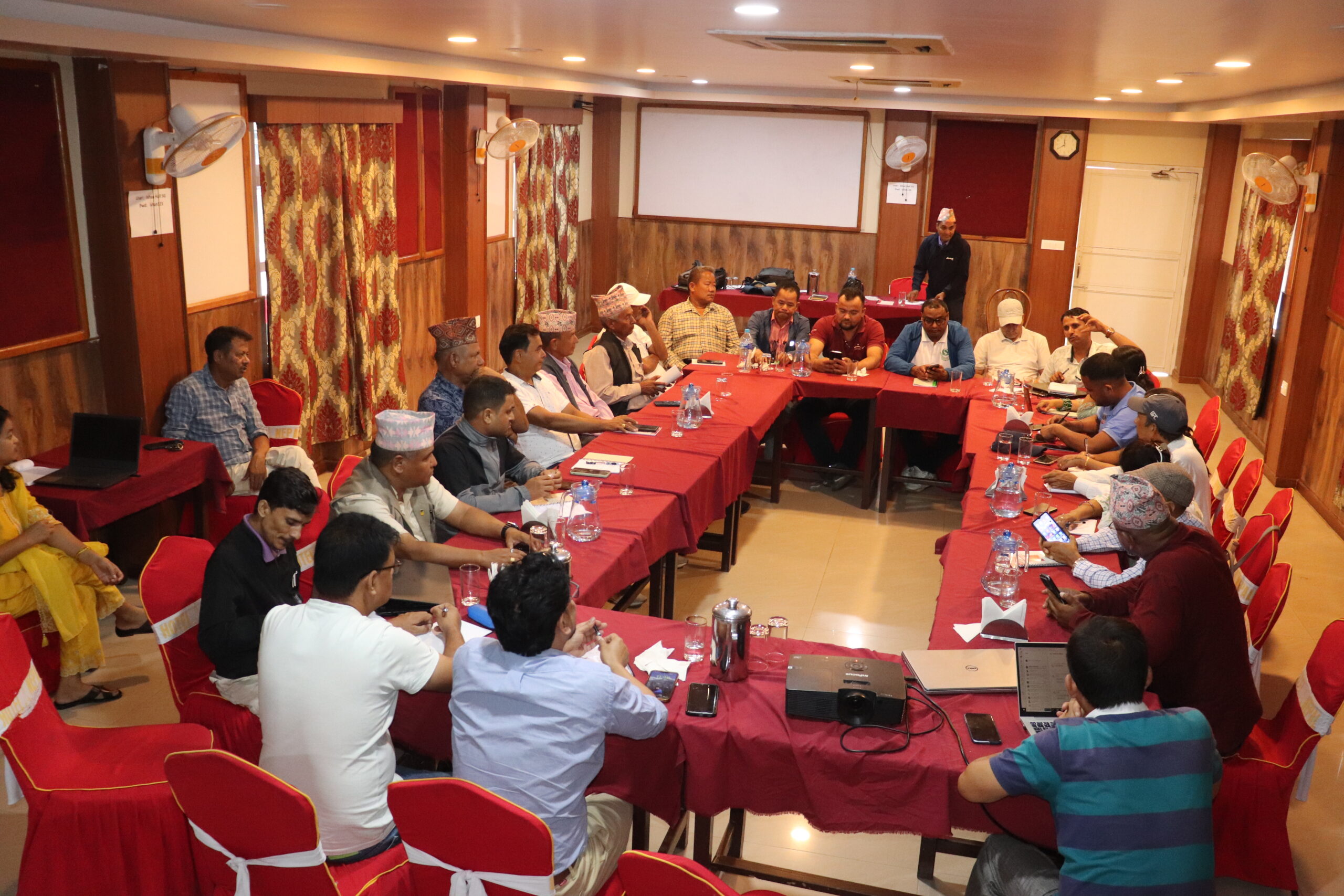
One of the most significant outcomes of the Biodiversity (Jal Jangal) project was its focus on building the capacity of local journalists to report on complex environmental issues. Through a combination of mentorship programs, creative writing sessions, multi-stakeholder dialogues, and editorial takeover events, the project successfully enhanced the skills of 18 selected Media Fellows. These journalists were empowered to tackle urgent environmental concerns such as biodiversity conservation, illegal wildlife trade, human-wildlife conflict, and climate change.
Not only did this mentorship result in the publication of 36 impactful articles, but it also ensured that environmental issues gained a louder voice in the media. Moreover, the editorial takeover events provided Media Fellows with the rare opportunity to assume editorial control for a day, further embedding environmental topics within the news cycle. One notable example was when Ms. Sirjana Budhathoki led a takeover at Aawajpatra, a local online news portal, focusing the coverage on biodiversity and conservation, with a visually green homepage design to symbolize the commitment to environmental causes.
These achievements not only raised awareness of critical environmental issues but also set the stage for sustained public discourse on biodiversity and conservation.
Lessons Learned: What Worked and What Could Be Improved
The Jal Jangal project was not without its lessons. One of the most important takeaways was the need for tailored training programs for journalists. Journalists covering environmental issues in Nepal face unique challenges, from understanding complex scientific topics to navigating the diverse formats of media. The project demonstrated that customized training in environmental journalism—especially in multimedia tools—can significantly enhance the quality and reach of reporting.
However, organizing media monitoring for such diverse issues across numerous media outlets proved challenging. Future projects should invest in advanced AI-driven monitoring tools to track coverage trends, which would help assess the effectiveness of journalistic interventions and identify gaps in media reporting.
Challenges: Addressing the Bottlenecks in Environmental Reporting
While the project succeeded in many areas, it faced several challenges. One of the key difficulties was limited resources for comprehensive coverage. Investigative environmental journalism requires extensive time, coordination, and funding, and many Media Fellows struggled to balance their regular duties with the demands of the fellowship. In some cases, time constraints hindered journalists’ ability to produce in-depth, impactful stories.
Additionally, stakeholder coordination was a major challenge. Despite the involvement of various stakeholders—government agencies, civil society organizations, local communities, and journalists—achieving consistent participation in multi-stakeholder dialogues was difficult, particularly in regions where local priorities were misaligned. These coordination hurdles underscored the importance of stronger collaboration and clearer communication in future projects.
Another key challenge was ensuring gender inclusivity. While the project aimed to include more women journalists in the fellowship program, only 7 out of 18 journalists were women, reflecting the broader issue of gender imbalance in Nepal’s journalism sector. Furthermore, achieving gender equality in environmental reporting was difficult due to the low representation of women in leadership roles within local government and civil society groups.
Opportunities: Expanding the Impact of Environmental Journalism
Despite the challenges, the Jal Jangal project has opened up several opportunities to build on its successes. One clear opportunity lies in expanding media engagement. Given the success of the media fellowship and editorial takeover programs, future initiatives can look to involve a wider range of media outlets—print, radio, and digital platforms—in raising awareness on environmental issues.
Another opportunity is the strengthening of local partnerships. Collaborations with local NGOs, media outlets, and community groups have proven invaluable, and expanding these partnerships could further increase the reach and impact of environmental reporting. This could include partnerships with local academic institutions or even international environmental organizations to exchange knowledge and foster cross-border collaborations.
Leveraging technology for media monitoring is another exciting opportunity. The implementation of advanced AI-driven tools can provide more comprehensive and efficient tracking of media coverage on environmental issues, enabling better insights into trends and the impact of journalistic efforts.
Recommendations: What Needs to Be Done for Greater Impact
To ensure the Jal Jangal project’s success continues and expands, several recommendations for the future emerge:
- Enhance Resource Allocation for Investigative Reporting: Given that environmental journalism often requires in-depth research and fieldwork, it is crucial to provide more resources for investigative reporting. This includes funding for long-term projects, greater collaboration with national and international agencies, and community engagement to ensure that journalists can produce high-quality, impactful reports.
- Strengthen Stakeholder Engagement: It’s vital to continue fostering cooperation between government bodies, civil society, local communities, and the private sector. Formal agreements or partnerships should be established to ensure that environmental goals are pursued collectively, and there is alignment between stakeholders on key issues.
- Scale Up Successful Programs: The editorial takeover and media fellowships were highly successful, and their impact can be scaled to other regions. These initiatives can be extended to areas where biodiversity conservation is underrepresented in media coverage or where local communities face severe environmental threats.
- Focus on Policy Influence: The project’s outcomes have laid a strong foundation for influencing policy changes. Future initiatives should leverage the increased media coverage and multi-stakeholder dialogues to advocate for stronger environmental policies. Efforts should focus on disseminating local-level insights to policymakers at both the provincial and national levels, ensuring that grassroots experiences are integrated into broader policy frameworks.
- Improve Gender Inclusivity: More attention should be paid to ensuring gender equality in future projects. This can be achieved by creating a more inclusive selection process for journalists, offering mentorship to women reporters, and ensuring that gender perspectives are fully integrated into the reporting on environmental issues.
Conclusion: A Path Forward for Environmental Journalism
The USAID Biodiversity (Jal Jangal) project has proven that media can be a powerful tool for environmental advocacy. Through the mentorship of journalists, multi-stakeholder dialogues, and editorial takeover events, the project has not only raised awareness of Nepal’s environmental challenges but also built the capacity of local journalists to report on these issues effectively.
As the project moves forward, there is a clear opportunity to expand media engagement, strengthen partnerships, and influence policies that prioritize biodiversity and conservation. By addressing challenges like resource constraints and gender inclusivity, the future of environmental journalism in Nepal looks promising—ensuring that the country’s rich ecosystems and diverse communities continue to thrive for generations to come.