Sexual violence against women is a critical issue that remains a pervasive and underreported global challenge. However, a group of women faces an even higher vulnerability—those living with disabilities. Globally, women with disabilities are 2–4 times more likely to experience sexual violence than their non-disabled peers. In Nepal, this issue is not just a public health crisis but also a pressing human rights concern. Women and girls with disabilities face heightened risks of sexual violence, including spousal abuse, coercion, and, in the modern world, emerging forms of technology-facilitated gender-based violence (TFGBV). While the issue itself is well-documented, it remains largely overlooked, under-researched, and, most tragically, underreported.
Exacerbating Factors: Disasters and Vulnerability
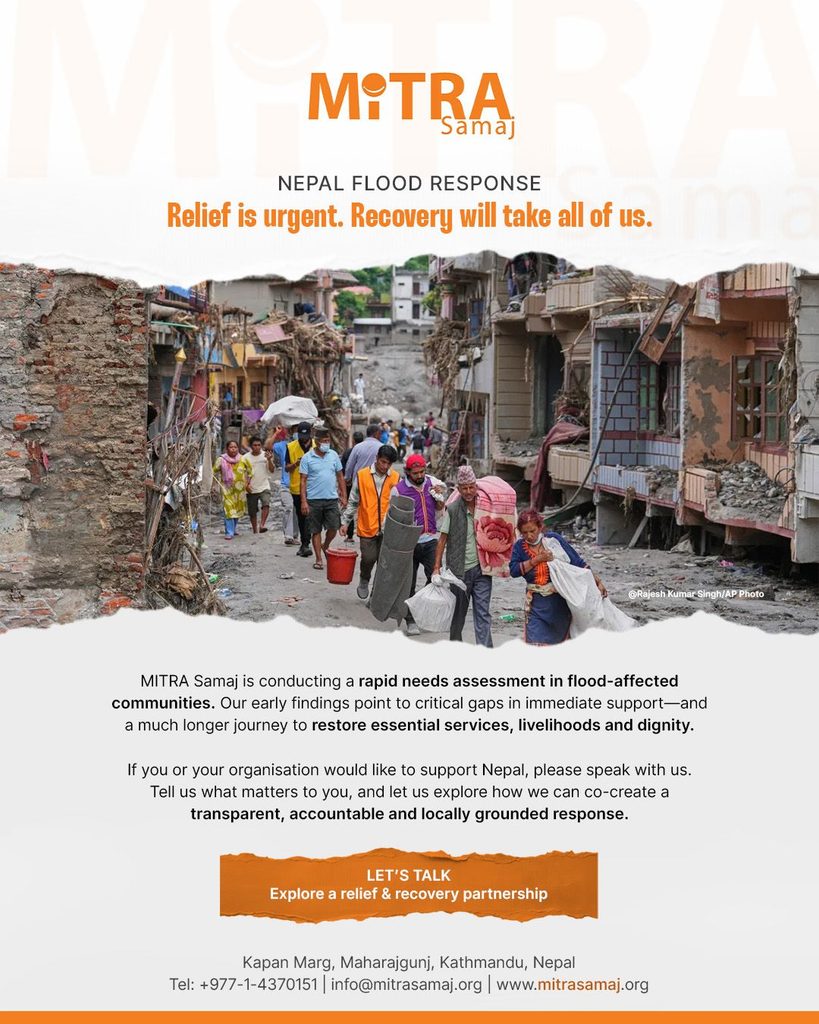
Natural disasters, such as earthquakes and floods, have further exacerbated the vulnerability of women and girls with disabilities to sexual violence, especially in countries like Nepal. The devastating 2015 earthquake exposed the deep fault lines in Nepal’s protective systems, which were especially harmful to women with disabilities. These disasters disrupt the very fabric of society, displacing populations, destroying homes, and overwhelming local governments. For women with disabilities, the consequences are profound—more frequent sexual violence, fewer resources to seek help, and an even greater dependence on perpetrators for mobility and support.
According to a 2021 WHO systematic review, humanitarian crises further deepen the risk for these women. Women with disabilities are often isolated, dependent on others, and excluded from accessible shelters or basic services, creating a perfect storm of vulnerability. In Nepal, studies conducted after the 2015 earthquake found that women with disabilities in temporary shelters reported significantly higher rates of gender-based violence (GBV). The lack of accessible facilities and reliance on others for movement became clear contributing factors to increased abuse.
The Scale of the Problem in Nepal
The 2021 National Population and Housing Census in Nepal reports a staggering 299,893 women with disabilities, with significant populations spread across districts like Bagmati, Lumbini, Koshi, and Gandaki. Despite this sizable number, research consistently reveals that sexual violence against women with disabilities is a widespread, underreported crisis. Prevalence studies show alarming statistics, with lifetime exposure to violence ranging from 35.32% to 57.7%, and sexual violence specifically affecting 21.5% of these women.
However, underreporting is rampant—one study found that only 2.19% of women with disabilities report incidents of sexual violence. This discrepancy highlights the dire lack of adequate reporting mechanisms, including barriers specific to disability access, such as lack of sign language interpretation and audio-based reporting options.
Factors Amplifying Vulnerability
Cultural and societal norms in Nepal compound the issue. Disability stigma, coupled with patriarchal and caste-based discrimination, increases the vulnerability of women with disabilities to sexual violence. Women with disabilities often face social isolation and dependence on family members or partners who may themselves be the perpetrators of abuse. The intersectionality of caste, gender, and disability heightens the risks for certain groups, particularly for Dalit women and those living in rural areas such as Madhesh. For these women, the risks are compounded by cultural barriers that prevent them from seeking help, leaving them with no recourse for justice or support.
Legal Framework and Challenges to Justice
While Nepal has made strides with laws like the 2017 Disability Act and the 11th amendment to the Country Code, which include additional penalties for sexual violence against women with disabilities, the enforcement of these laws remains inconsistent. The statute of limitations—a one-year period to report sexual violence—further restricts access to justice for survivors, many of whom are unable to report incidents in time due to the very barriers that their disabilities impose.
Moreover, services like One-Stop Crisis Management Centers (OCMCs) and the Khabar Garaun 1145 helpline, which provide critical support for survivors of gender-based violence, are often not equipped to handle the specific needs of women with disabilities. These services lack disability-friendly adaptations such as audio formats or sign language interpretation, making it impossible for many women with visual, hearing, or intellectual impairments to access these resources.
The Emerging Threat of Technology-Facilitated Gender-Based Violence (TFGBV)
An emerging concern for women with disabilities is technology-facilitated gender-based violence (TFGBV), including sextortion and online harassment. While these forms of violence are receiving increasing attention globally, there is little data available on their impact on women with disabilities in Nepal. This gap in understanding calls for digital interventions that are accessible, such as audio-based apps or platforms designed for women with hearing or visual impairments, to ensure that they too can report abuse.
Gaps in Research and Data
The literature on sexual violence against women with disabilities in Nepal is scarce, with prevalence rates varying significantly across studies and regions. One critical gap is the lack of disaggregation of data by disability type, age, and socioeconomic status. Furthermore, the psychological and social impacts of sexual violence, such as Post-Traumatic Stress Disorder (PTSD), depression, and community exclusion, are underexplored. There is also a significant lack of research into disability-specific interventions that could help prevent or address sexual violence against women with disabilities.
In particular, there is no research on how girls with disabilities—especially those under 15—are affected by sexual violence and what interventions are required to protect them. This group remains rarely studied, leaving their unique vulnerabilities overlooked and unaddressed.
Conclusion: A Call to Action
Sexual violence against women and girls with disabilities in Nepal is a multifaceted and complex issue. The cultural, legal, and infrastructural barriers that prevent women with disabilities from accessing justice and support are deeply ingrained, requiring a concerted effort from the Nepal government, civil society organizations, and international stakeholders to address them.
There is an urgent need for inclusive and disability-friendly services, better enforcement of laws, and awareness campaigns to dismantle the stigmas and barriers that perpetuate sexual violence against women with disabilities. As the country continues to grapple with the aftermath of disasters and ongoing risks from emerging forms of violence, the voices of women with disabilities must be amplified, their rights protected, and their dignity upheld.
To tackle this issue, comprehensive research, advocacy for policy reform, and greater inclusion of women with disabilities in decision-making processes are essential. Only through collective action can we create an environment where women with disabilities can live free from the fear of violence and abuse.